

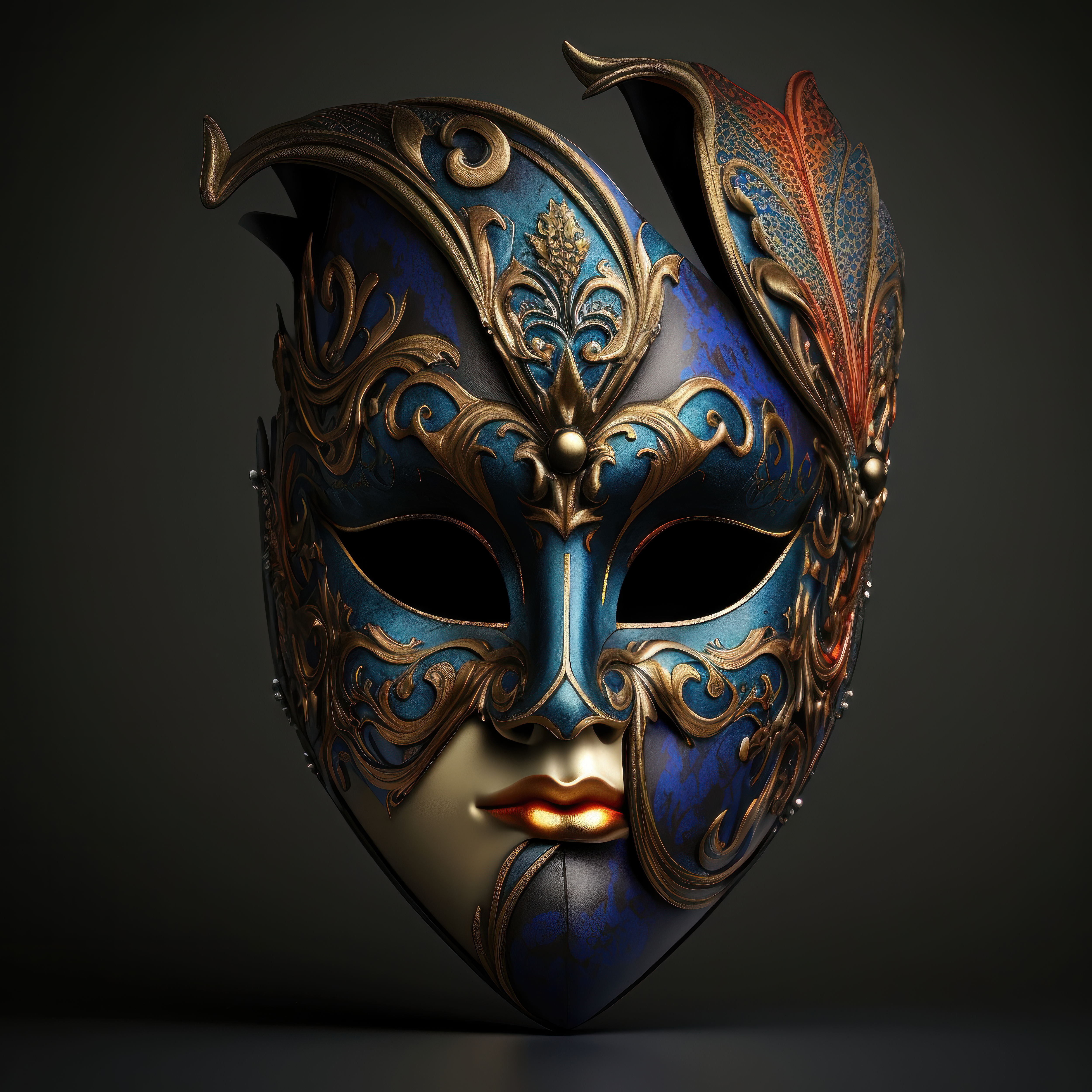
There are some stories in life that when we encounter it, it touches somewhere in our souls – a unique way for each of us. More often than not, these are the ones that show us the parts of us that we’ve been hiding from ourselves or others. However, no matter how long you hide, it is inevitable for one to come into a cross roads in between versions of yourself. Then, you have a decision to make: Which one will you choose? Is it unraveling your hidden side, to reach authentic freedom at the cost of vulnerability? – Or will you choose to keep suppressing it under until it explodes?
A few days ago I went to a musical of Dr Jekyll and Mr Hyde. Acting was phenomenal, vocals, decors, storyline… It was as if I was stripped away from my own life to become a part of doctors dilemma. For those that haven’t watched/read the story yet, let me provide a quick refresher.
In the story of Strange Case of Dr Jekyll and Mr Hyde (1886) by Robert Louis Stevenson, a lawyer, Gabriel, receives an unusual request from his dear friend, Dr Jekyll. He changes his will to transfer everything to an unknown Mr Hyde in case he disappears. Along the story, it is revealed that doctor created a potion that allows him to transform into Edward Hyde – a version of himself that manifests his darkest side to reality. As Hyde, he is free to act on his impulses without damaging his reputation as the nice doctor he has been all his life. After a while, Hyde grows stronger and starts taking control without the potion. Unable to prevent Hyde from taking over and hurting his loved ones, Jekyll ultimately chooses death rather than to live on as the monster he has become.
The musical had an impressive grasp of the atmosphere Jekyll presents, dark yet somewhat hopeful. It was a performance that keeps you rooting for Jekyll’s salvation while feeling somewhat eerie for Hyde’s unraveling. Differing from the book, musical also had a character called Emma as a fiancee of Jekyll. Understanding of his hyper-focus on chemical studies – in the musical Hyde creates potion to save his father from a mental illness and tries it on himself because human trials are not approved by the city council- Emma is also quite acquiescent with his ways, accepting possibility of struggle as long as it means having him by her side. She is Jekyll’s main love interest, while Hyde has an abusive attraction to Lucy, a girl from a brothel that once came to Jekyll for help. These two woman being such opposites also adds to the contrast between Jekyll and Hyde. In the end of the story, Hyde kills Lucy just before she skips town whereas Jekyll chooses his own death rather than to ever hurt Emma again.
The story is drilling into a fact we all know yet rarely think about: we all have a side that we choose to show to the world and the one that is hidden. And some parts? We hide, even from ourselves.
Stevenson chooses to present the polars between the hidden and revealed versions of human personality through the transformations. From a proto-Freudian perspective, you can see that between id (Hyde) and superego (Jekyll) the ego suffers tremendously. In the end, all that is suppressed comes into the daylight with much stronger and destructive forms. Neither full-on suppression of nor giving full autonomy to the darker side resembles anything like peace. The pain and death of the protagonist makes you think whether there was an alternative way. Just then, Jungian approach of “integration” of the shadow self fits like a missing puzzle piece.
What would happen if Jekyll felt allowed to feel everything he did as Hyde, without losing his own essence? Would Hyde still spread destruction everywhere he goes, if he wasn’t deprived of any feeling resembling a conscience? Could our protagonist find some comfort in acceptance from himself and people that love him, with all his impulses and anger, eventually be free of his mind’s torment? One can only imagine.
Instead, the strict moral culture of Victorian England, the way public life demanded nothing less than perfection and utter discipline of the mind – while being as scandalous and rotten as ever – the story did not present any escape to Jekyll and pushed him off the edge. Creating the monster, Hyde, that wreaked havoc and destroyed its host in the end.
Although it is a story from 19th century, we are still reading, watching and talking about it. Not only because it’s literary value but something much more: it’s timeless resonance with society, especially now.
Amongst global news of war and crime, political and economical instability in almost all countries, and reformed societal pressure disguised as social media trends, humanity’s soul might be more trapped than ever. Still, we are expected to perform our societal duties like all is well. Birth rate falls dramatically in all educated cultures, yet politicians target women, without questioning whether they provide a safe environment to procreate. Younger generations are labelled as lazy or soft, “unable to deal with life” while trying to build foundations of their lives in weak soil. Therefore, it is quite possible that we all have a Hyde creeping inside, getting stronger as it gets more suppressed.
Like Jekyll, the choice is yours: Embrace the exposure of your true self, or bury your hidden side until it shatters its cage and wreaks havoc.
Stay safe,
Leave a Reply