

What if I told you that you are a masochist?
Your brain loves earned discomfort, however it manifests itself in your life.
Story time! This week I had an inspiring experience. I had a mole removal operation and I almost fainted from physical pain caused by that numbing injection -lidocane. It has a pH of 4.7, so it’s basically concentrated acid right under your skin. I had to take three in a row, although I tried my best to stay strong I felt dizzy and had to spent a few minutes in observation room.
After a few minutes, I was surprised when I found myself laughing and feeling very light. It was this weird feeling of mental freshness – very similar to what I feel after a rollercoaster ride. The pain was gone, instead I felt somewhat accomplished. It inspired me to dig a bit deeper into how we experience fear, pain and joy as humans. A little research showed me it’s quite common to feel some sort of rush after a painful experience.
So I found out that there is this thing that’s called “Benign Masochism” which basically is enjoying harmless and safe anti-hedonistic experiences. It is when you are safe but pain is there. And apparently we all do it in our everyday lives! whether we eat something spicy, go for a rollercoaster ride in a festival or listen to our favorite sad songs, there is a system working in the background, transforming that pain to pleasure.
The “pain” in these context takes various shapes in the studies, most commonly it is fear, sadness or physical stress.
- When it is fear, it’s often about feeling more competent after facing the fear in a controlled setting. Let’s take rollercoasters for example, it is only natural one fears of height and speed. But we often get the rush and even find ourselves laughing and feel a bit lightheaded afterwards.
- Then there is sadness. I guess we all know at least one person that’s almost like addicted to being down. Those playlists filled with top favorite heartbreak songs are just romanticizing emotional pain, activating reward circuits in system.
- But how about physical pain? Aren’t we intrinsically wired to avoid it at all costs – after all that’s the core point of hedonistic nature of mankind right? Well apparently intense exercise activates something called endocannabinoid system, then decreases anxiety and increases dopamine. That’s why even though your muscles hurt you have an overall good sensation.
In such cases, benign masochism may act as a test of stress systems, calibration of threat perception and even a resilience training mechanism. It’s like your nervous system going to the gym. Similarly you feel accomplished and stronger at the end.
Also, notice a pattern there? Each case, there is 1) predictability of the outcome, 2) safety and most importantly 3) choice. Although the stimulant is somewhat not positive, these three things determine whether the pain turns into suffering or experience.
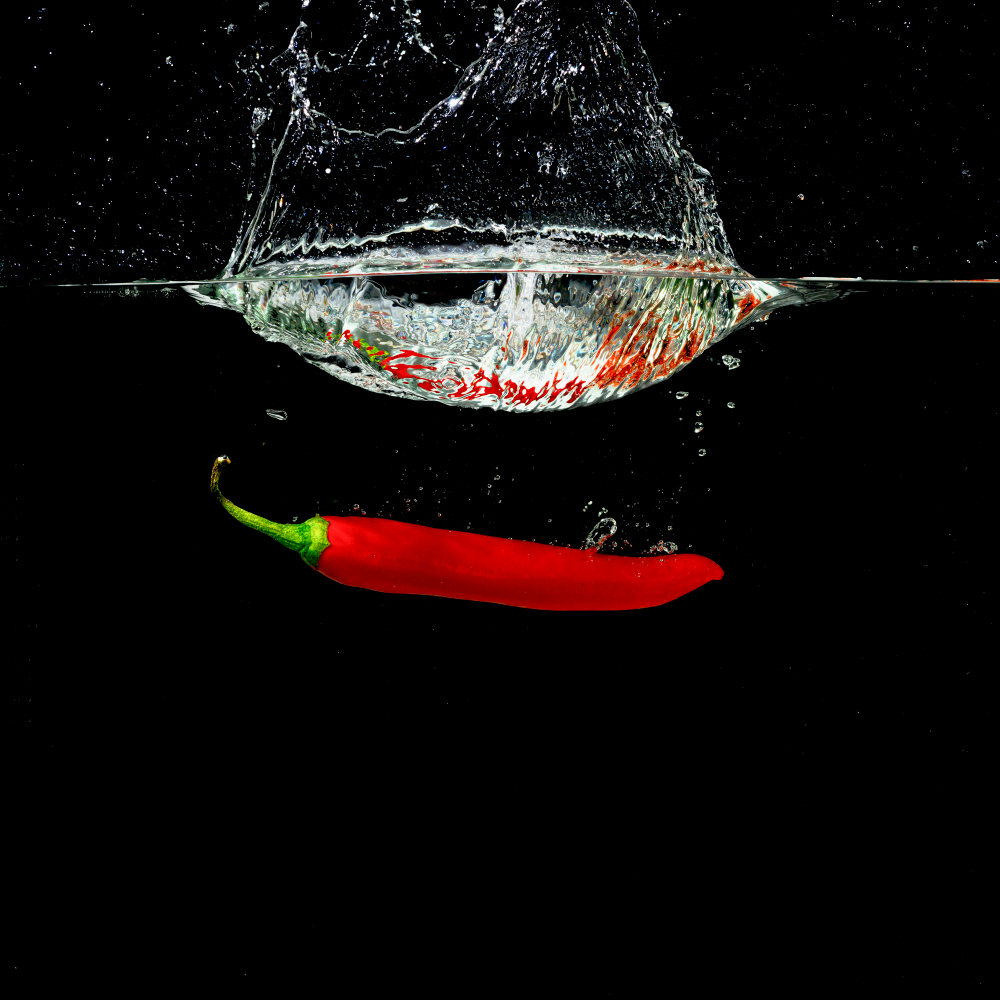
Long story short, if you laugh a little after feeling pain, or enjoy your dark playlist or even go berserk at the gym for the fun of it, don’t be surprised and know that it is perfectly common. It’s might be just your brain spicing life up – pun intended.
But maybe it’s more than that.
Maybe what we truly avoid is not pain itself, but helplessness. When discomfort is chosen, predictable and safe, it transforms. It stops being a threat and starts becoming a signal — a reminder that we can endure, that we can regulate, that we can survive intensity.
Pain, in these moments, sharpens consciousness. It heightens the edges of experience. It makes relief sweeter, competence stronger, joy brighter.
We don’t crave suffering.
We crave aliveness.
And sometimes, aliveness comes with a little burn.
Leave a Reply